
Two forged icons compared item by item: construction, sizes, bolt patterns, bores, weights, load ratings and prices, from what each maker publishes.

BBS vs RAYS: Two Japanese Wheel Makers, Side by Side on History, Plants and Customers
BBS Japan began as a textile-machinery maker in 1971; RAYS was founded in 1973. History, plants, customers and flagship wheels, side by side.
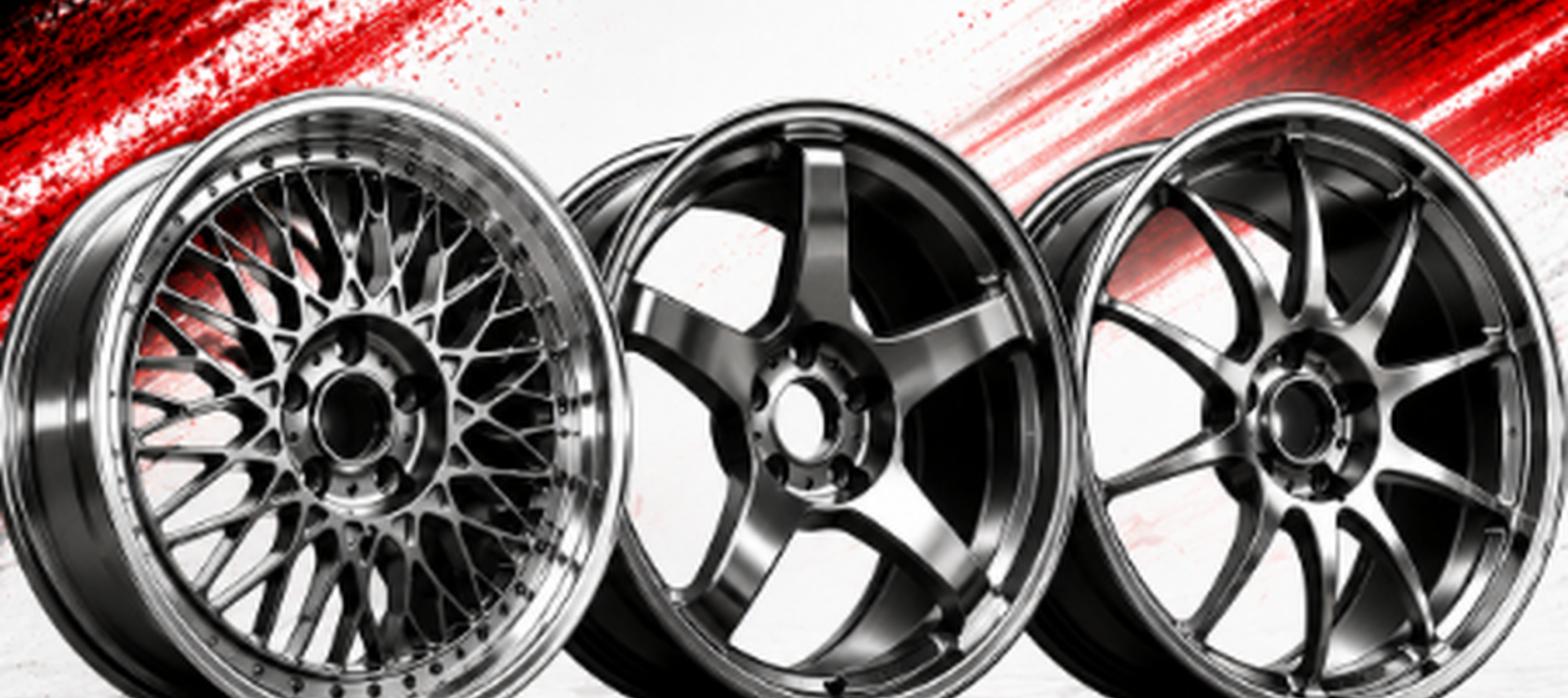
WORK vs RAYS vs BBS: Japan’s Big Three, Compared on What Actually Differs
BBS Japan makes nothing but forged wheels. RAYS is the only one that prints a load rating on every size. WORK is the multi-piece specialist. And at 18 inch the forged-versus-cast gap is bigger than any gap between the brands.
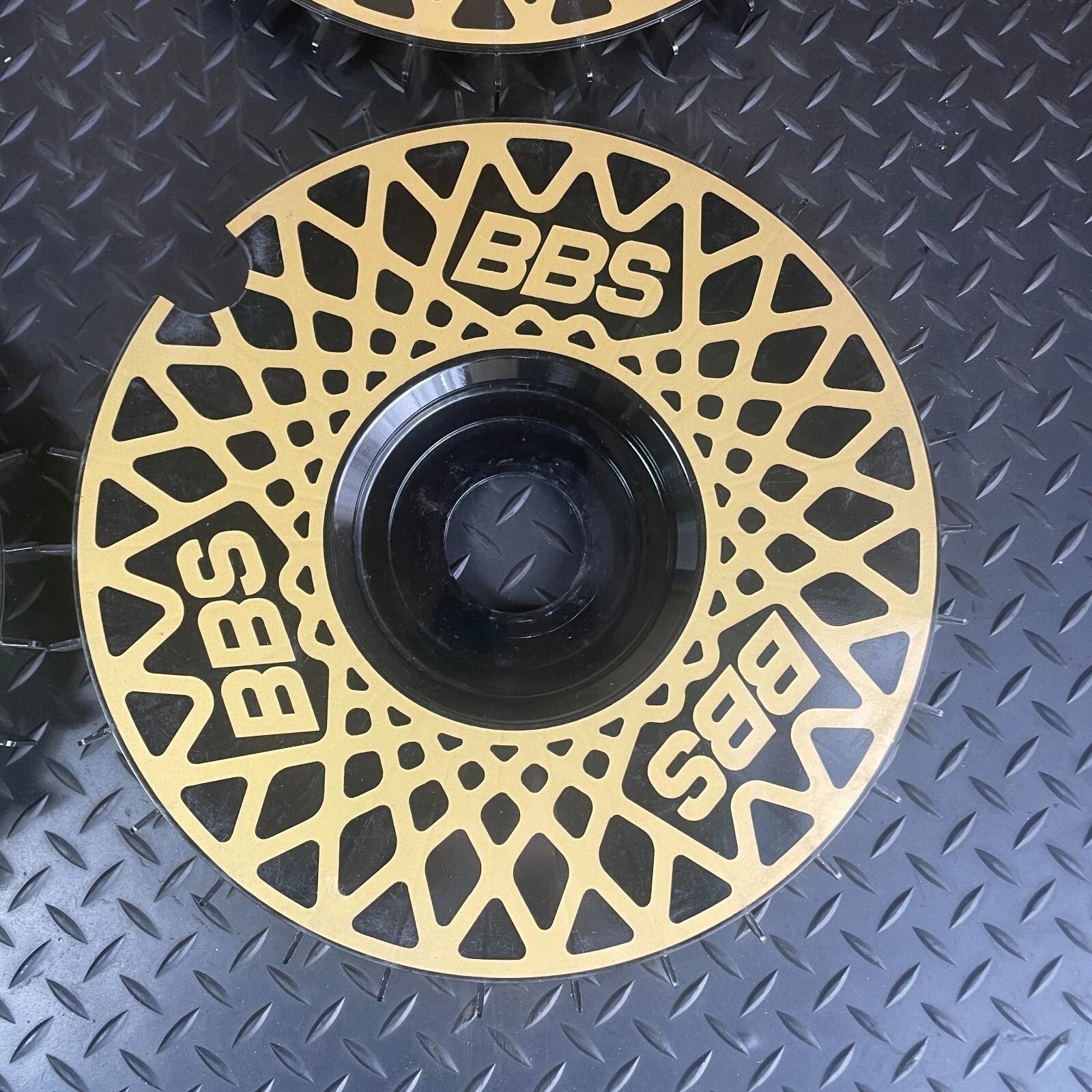
BBS Turbofan Aero Cover (18.25.004): The Racing Brake-Cooling Wheel Cover Explained
Some accessories look aggressive because a designer wanted them to. The BBS Turbofan aero cover looks aggressive because it started life doing a real job: pulling hot air off a […]
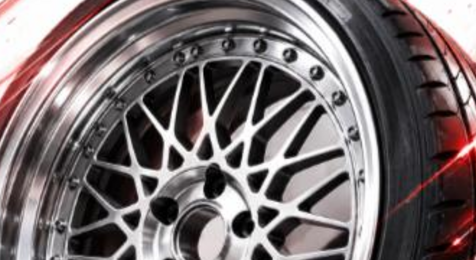
BBS LM vs RG: Two-Piece, One-Piece, and Which Question Each Answers
The RG came first, in 1985, and was the first mass-produced one-piece forged wheel with a complex mesh face. The LM followed in 1994, two-piece and named after Le Mans. Today the one-piece line is RG-R and RG-F — and RG-F weighs 4.2 kg at 15 inches.
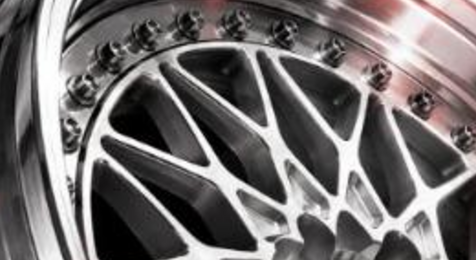
BBS RS: Real, Replica or Counterfeit — and Why They Are Three Different Questions
A genuine BBS RS is a forged face bolted to two rolled barrel halves. Every RS-style replica we could find is one-piece cast. The RS number is a fitment code, not a model. And a legally-sold RS-style wheel, a counterfeit, and a genuine wheel wearing reproduction parts are three different situations.
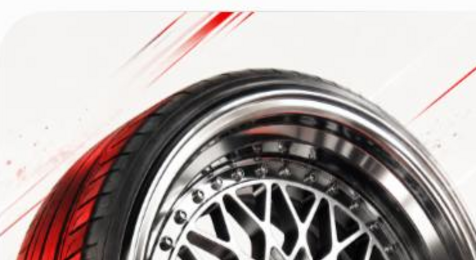
BBS: The German Brand That Is Made in Toyama
The name is German. The forged wheels are Japanese. BBS Japan began in 1971 making textile bobbins in Toyama, supplied the forging technology the brand was built on, and now sole-supplies Formula 1 — while the German company has gone insolvent five times.