
Two forged icons compared item by item: construction, sizes, bolt patterns, bores, weights, load ratings and prices, from what each maker publishes.

BBS vs RAYS: Two Japanese Wheel Makers, Side by Side on History, Plants and Customers
BBS Japan began as a textile-machinery maker in 1971; RAYS was founded in 1973. History, plants, customers and flagship wheels, side by side.
RAYS Mazdaspeed MS01: Not a Factory Option, and What the Tag Actually Says
The wheels carry a Mazdaspeed badge, but Mazdaspeed never made a wheel. That contradiction is the whole story of the MS01. Who Actually Built It Mazdaspeed operated as an independent […]
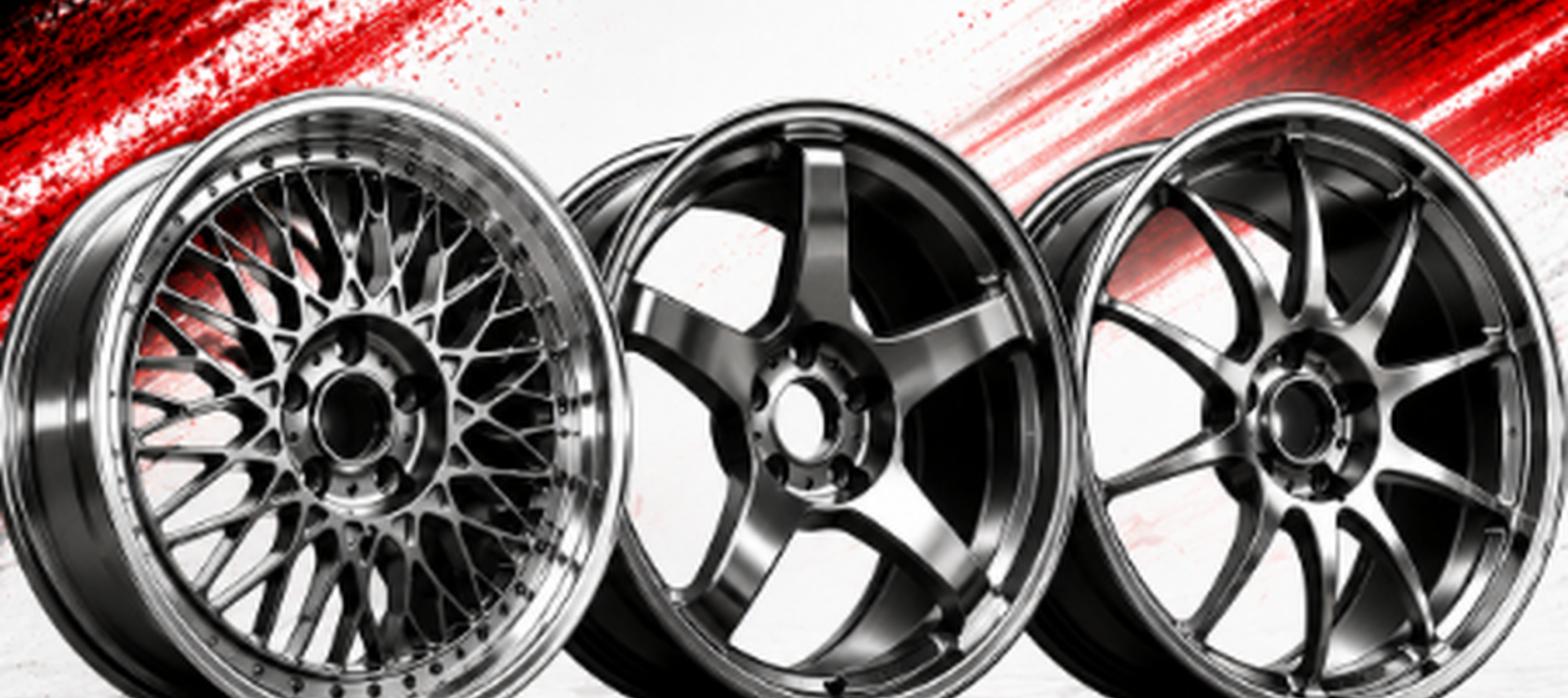
WORK vs RAYS vs BBS: Japan’s Big Three, Compared on What Actually Differs
BBS Japan makes nothing but forged wheels. RAYS is the only one that prints a load rating on every size. WORK is the multi-piece specialist. And at 18 inch the forged-versus-cast gap is bigger than any gap between the brands.
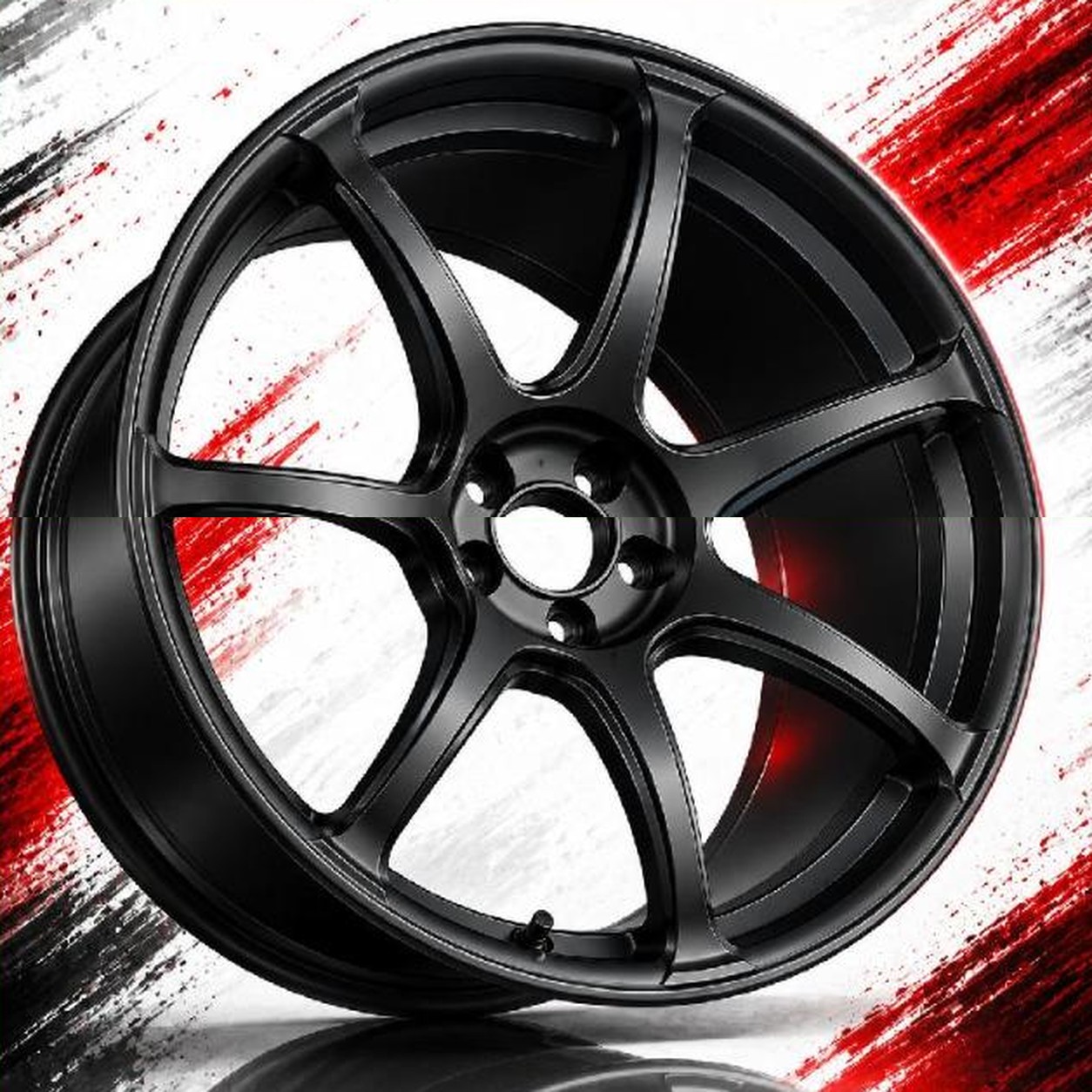
Volk Racing ZE40 vs TE37: The Comparison Nobody Sets Up Correctly
The wheel RAYS sells as plain TE37 today is 13 and 14 inch only. The one you are picturing is a derivative. And the kilogram figure on the spec sheet is a load rating, not a weight – which is why nobody can tell you which is lighter.
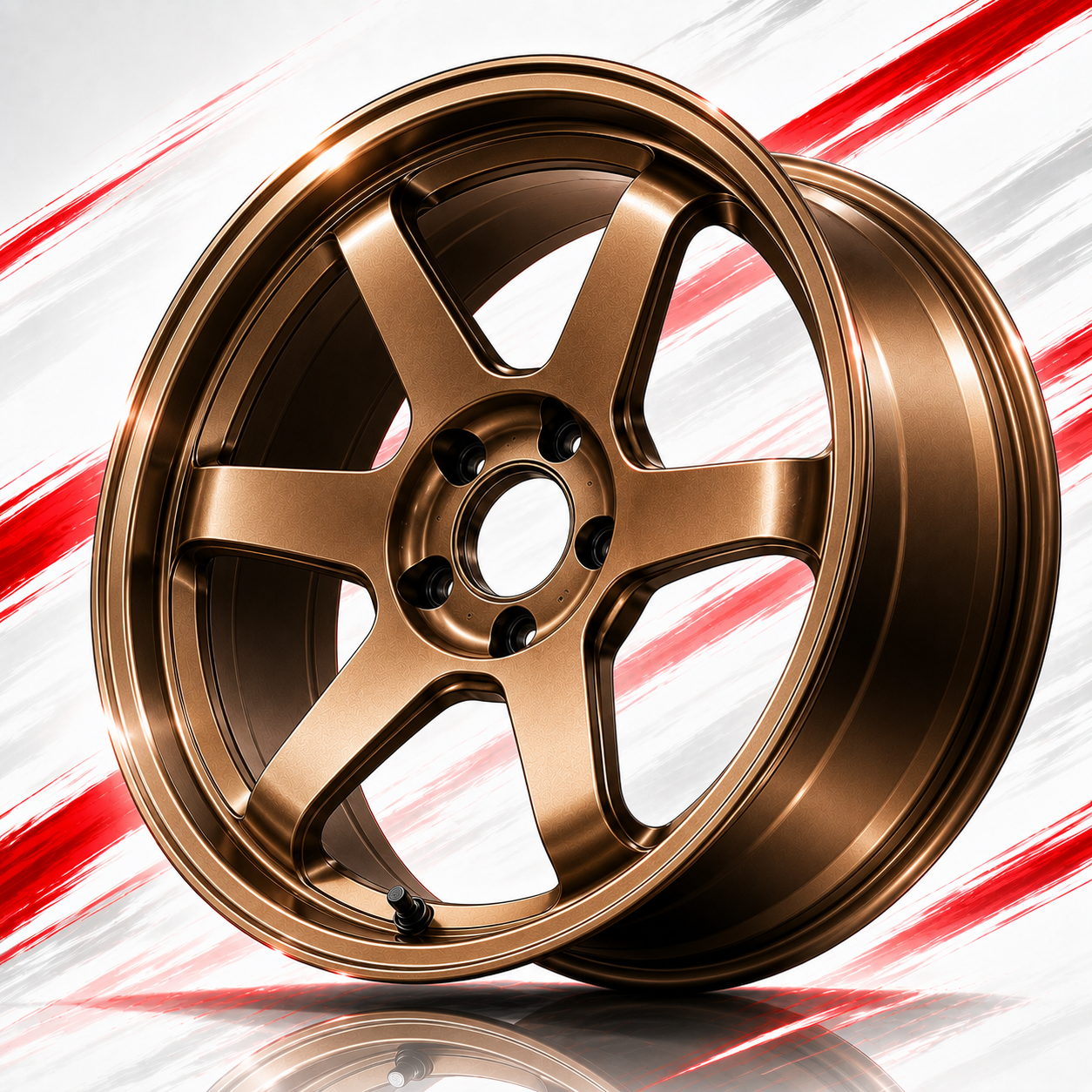
RAYS TE37: Real or Fake, and What SL and V Actually Mean
The 37 in TE37 is a weight — 3.7 kg, on a 15-inch wheel, in 1996. SL means Super Lap and is still forged, contrary to a persistent myth. V means Vintage. And the most reliable fake tell is geometric: on a genuine wheel the lug holes sit at an angle to the spokes.
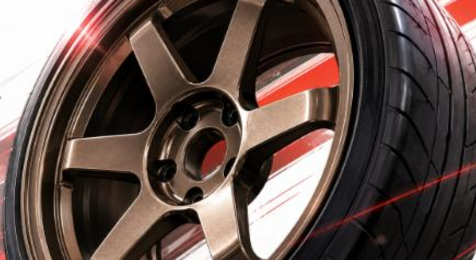
RAYS: A Company History Told in Forging Presses
RAYS installed six forging presses between 1986 and 2004, the largest rated at 10,000 tons – and publishes every one of them in its official history. A brand profile built from the group’s own Japanese-language corporate records.