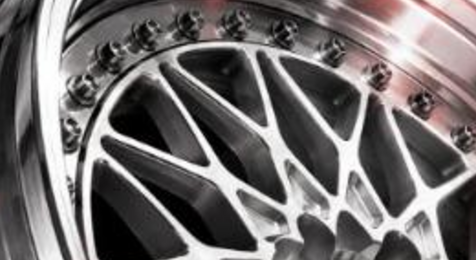
A genuine BBS RS is a forged face bolted to two rolled barrel halves. Every RS-style replica we could find is one-piece cast. The RS number is a fitment code, not a model. And a legally-sold RS-style wheel, a counterfeit, and a genuine wheel wearing reproduction parts are three different situations.
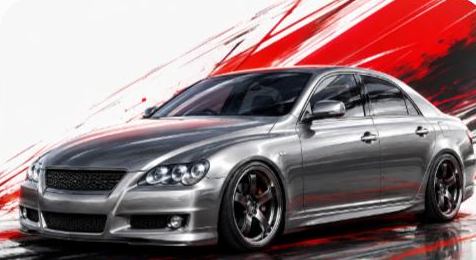
Toyota Mark X Wheel Fitment Guide: The Chaser’s Replacement, and the Offset That Moved
Every Mark X is 5×114.3 on a 60.1mm bore, shared with the Chaser and the Crown. But the offset moved from around +50 on the X120 to around +40 on the X130, the last digit of the chassis code tells you the drivetrain, and no Mark X is US-importable until November 2029.
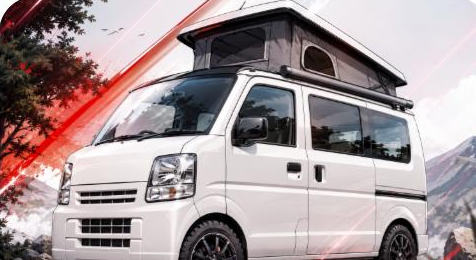
Kei Van Camper Conversions: Your Build Is Cargo, and the Wheels Know It
A kei van is rated for 350kg. A camper conversion does not remove that load — it makes it permanent and raises it. Why these wheels carry JWL-T rather than JWL, why the tyre and the wheel have separate ratings, and why inch-up cuts capacity exactly when you are adding weight.

Toyota Aristo Wheel Fitment Guide: 5×114.3, 60.1mm, and the Lexus GS Connection
Every Aristo is 5×114.3 on a 60.1mm bore at +50, and Lexus GS wheels of the same era bolt straight on. JZS160 is the naturally aspirated S300; JZS161 is the twin-turbo V300. The whole first generation is 25-year eligible; the second only up to July 2001.

Subaru Legacy Wheel Fitment Guide: 5×100 for Twenty-Five Years, and the Wagon Called GT-B
Every Legacy from 1989 to model year 2014 is 5×100 on a 56.1mm bore. From 2015 it is 5×114.3. The BH5 GT-B runs 17x7J +55 on 215/45R17 — and GT-B is a wagon designation: the twin-turbo sedan was the B4 RSK.
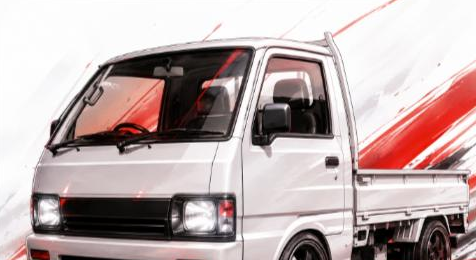
Mitsubishi Minicab Wheel Fitment Guide: The Kei Truck That Changed Bolt Pattern
Until January 1999 the Minicab was 4×114.3 — a pattern no other kei truck uses. From February 1999 it is 4×100. From February 2014 it is a Suzuki. And the hub bore, uniquely in this class, is not published anywhere we could find.
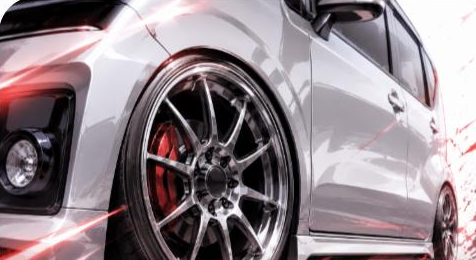
Reading a Daihatsu Genuine Option Wheel: Why It Says JWL and Not JWL-T
A set of DCN Daihatsu genuine option wheels — 13x5J +40 on 4×100 — photographed mark by mark from our own stock. VIA and JWL on the front face where the rules require them, 4X100 600KG on the back, and the reason a genuine Daihatsu wheel is still the wrong certification for a Daihatsu kei truck.
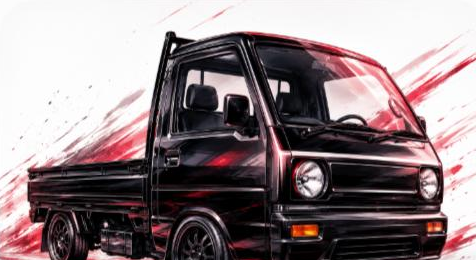
Subaru Sambar Wheel Fitment Guide: The Porsche of the Farm Road, and the Day It Became a Daihatsu
Subaru stopped building the Sambar on 28 February 2012. Before that it was rear-engined, four-cylinder and independently sprung on a 59mm hub. After it, it is a Daihatsu Hijet on a 54mm hub. A wheel from one will not fit the other.
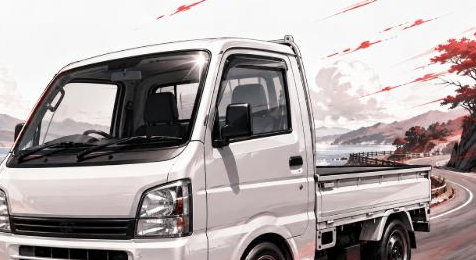
Kei Trucks in the USA: Importing Is Federal, Driving Is Not
NHTSA says 25 years from the build month. EPA says 21. Your state decides whether you can drive it — and between 2021 and 2026 the answer changed repeatedly in both directions. State-by-state status with sources, current as of July 2026.
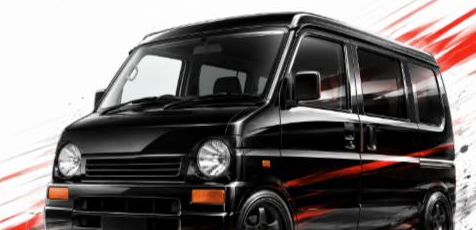
Honda Acty & Vamos Wheel Fitment Guide: The Only Mid-Engined Kei Truck
The Acty ran 4×100 on a 56mm hub with a 12×3.5B +40 steel wheel — a bore that matches neither Daihatsu nor Suzuki. It was also the only mid-engined kei truck ever sold, Honda never offered a 4WD automatic, and the Vamos is the one model in the family with factory alloys.