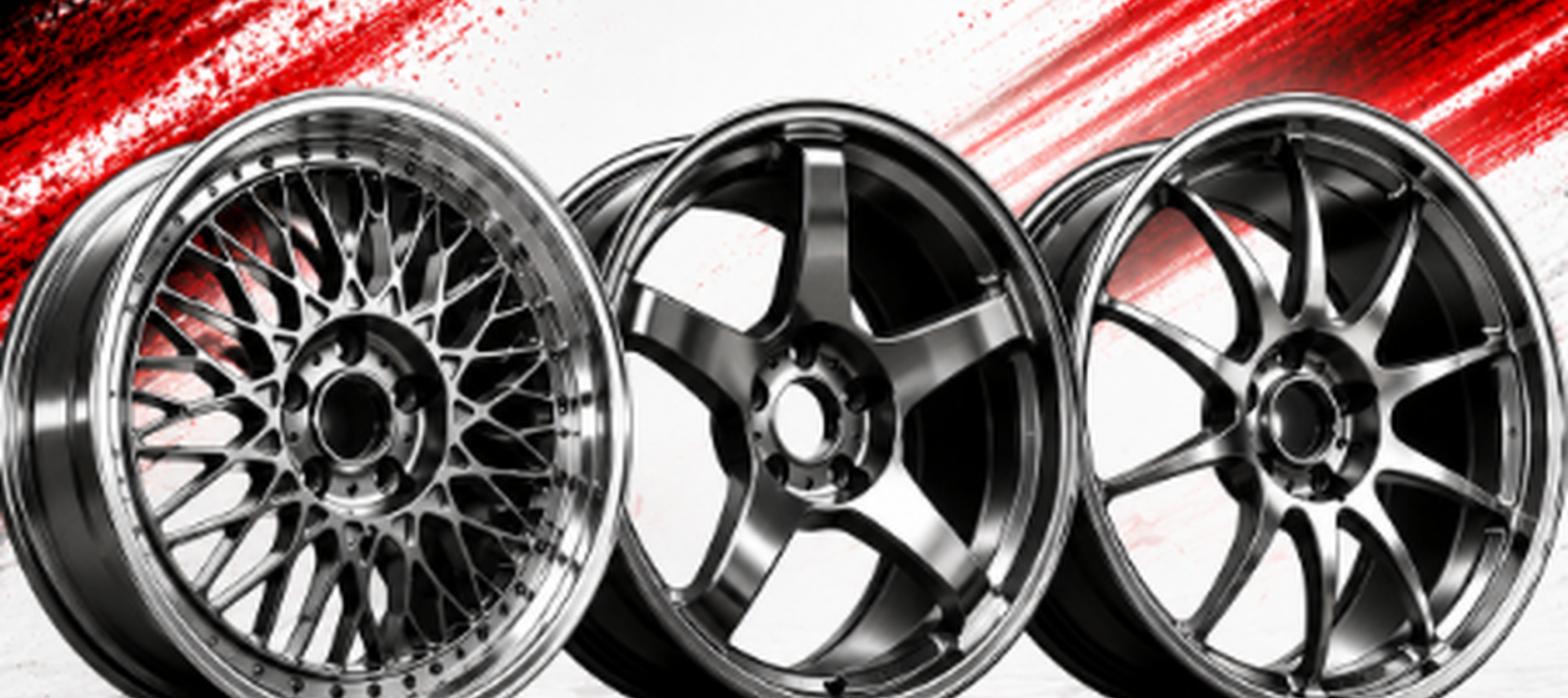
BBS Japan makes nothing but forged wheels. RAYS is the only one that prints a load rating on every size. WORK is the multi-piece specialist. And at 18 inch the forged-versus-cast gap is bigger than any gap between the brands.
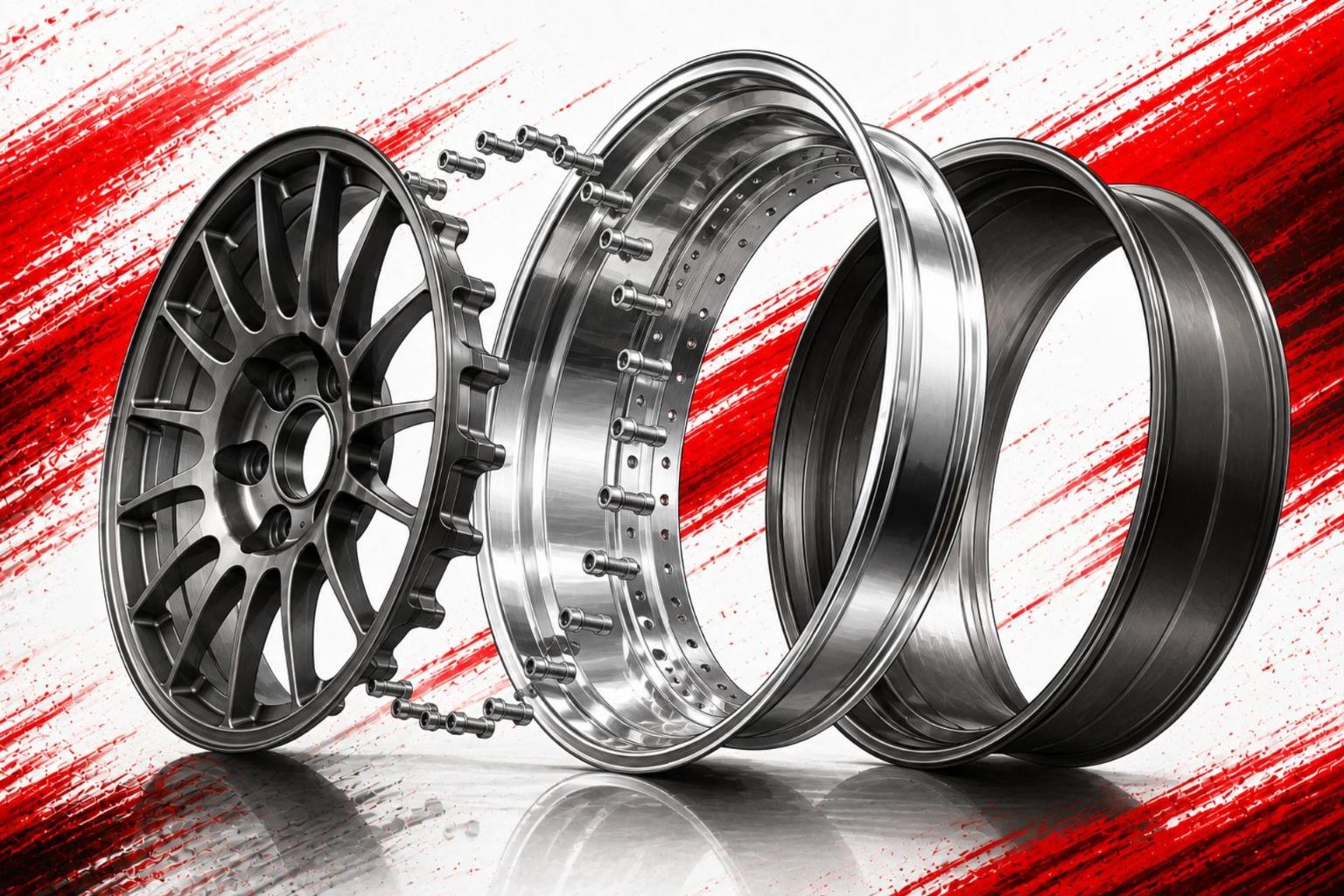
Rebuilding a Three-Piece: What WORK and SSR Will Actually Do for You
Neither WORK nor SSR runs the rebuild service people assume. WORK offers dealer-only rim exchange with model-specific limits; SSR tells owners not to disassemble at all. Here is what the real third-party trade costs, and the honest answer on JWL and VIA.
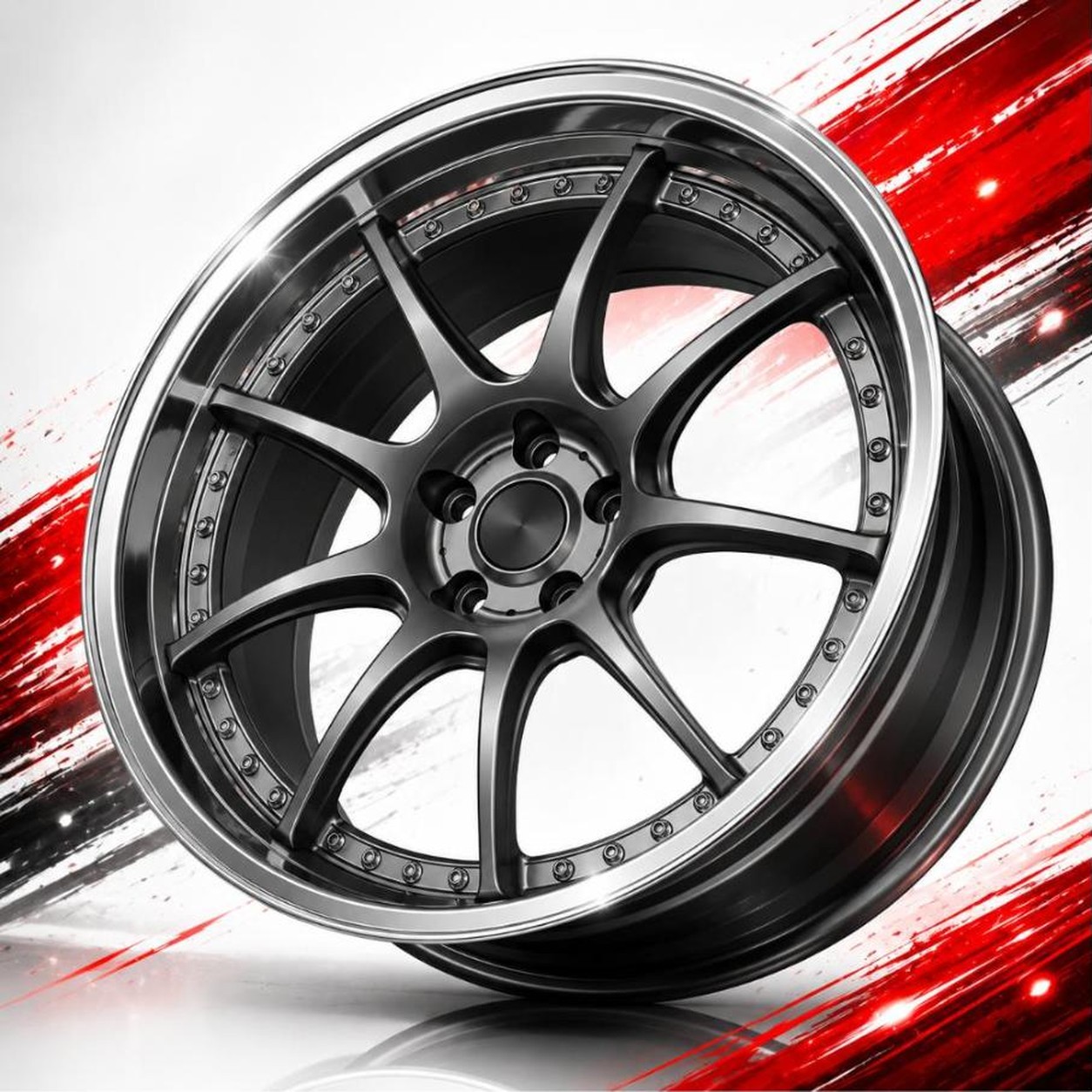
WORK Emotion Decoded: CR Kai, CR Kiwami, XD9, D9R – and the New CR Shigoku
WORK’s own part codes settle it: XD9 is EMT-D9 and D9R is EMT-D9R, so D9R is the renewal. CR Ultimate is not a WORK model name. And there is a newer CR face, Shigoku, that English sources have not covered.
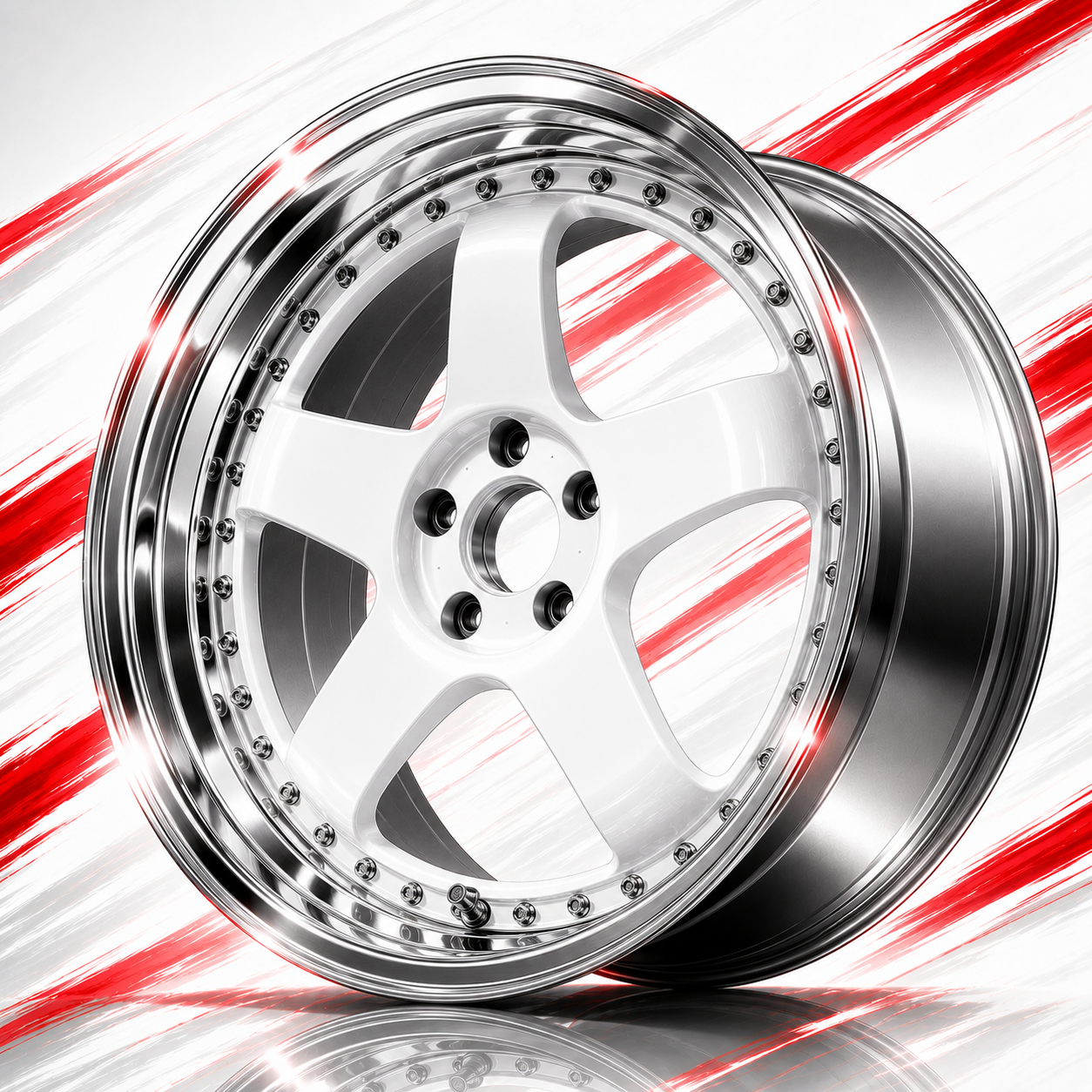
Real or Fake WORK Wheels: The Checks That Actually Settle It
WORK publishes its own counterfeit notice and tells buyers to check three things: JWL, VIA and the JAWA certificate sticker. The cleanest test is simpler still — a genuine multi-piece Equip has real through-bolts, and the common fake is a one-piece casting with fake bolt heads.
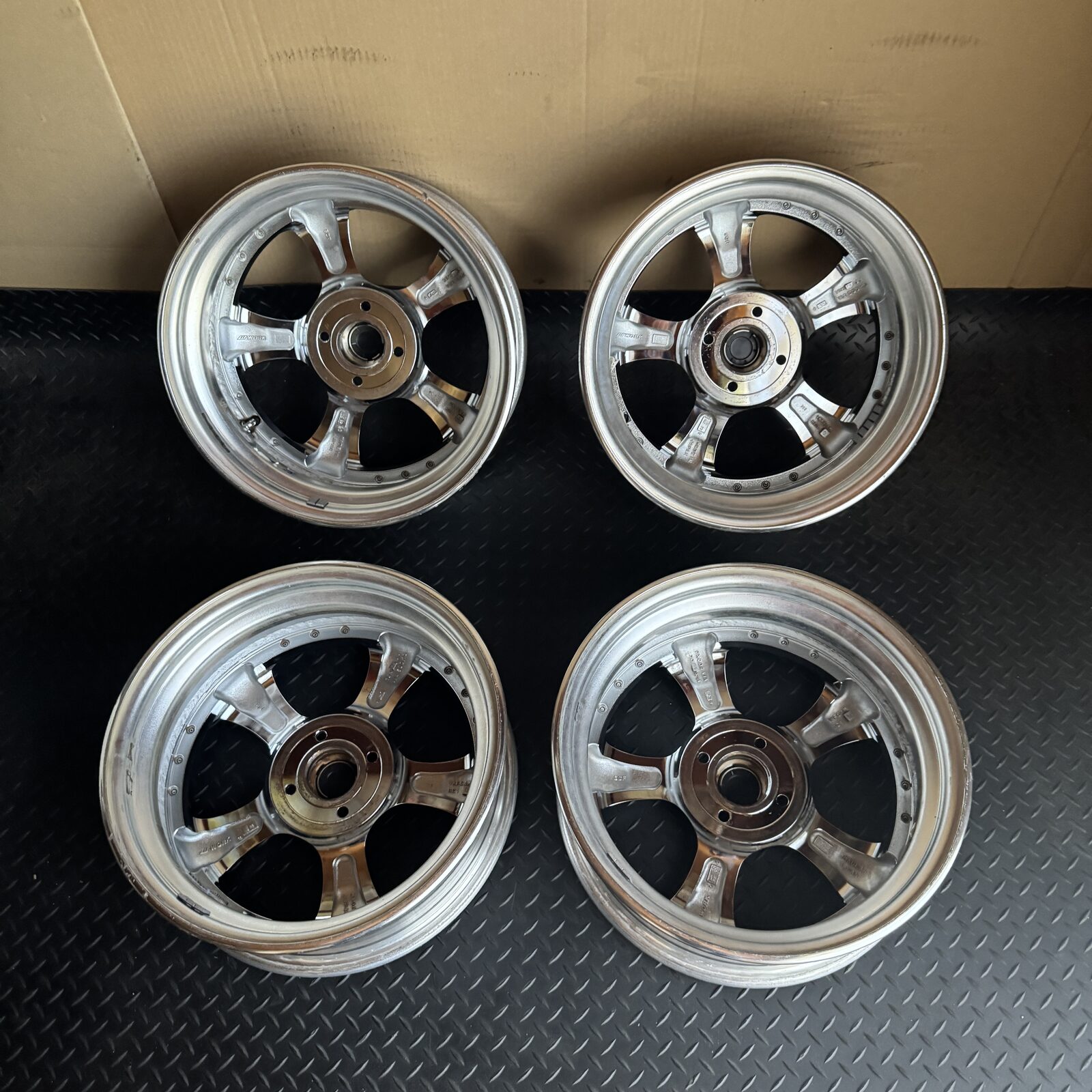
How to Read the Markings on a WORK Wheel — Two Sets, Photographed From Our Own Stock
Eight WORK wheels in our own hands: a multi-piece VS-KF set and a one-piece Meister S1R set, photographed mark by mark. Where the stamps are, what they mean, what we got wrong, and what we still cannot verify.
WORK Wheels: The 170-Person Company Behind Japan’s Multi-Piece Standard
WORK opened a dedicated three-piece wheel factory in 1979, two years after founding, and today runs 70% of its machining lines on multi-piece rims. A brand profile built entirely from the company’s own Japanese-language corporate records.