
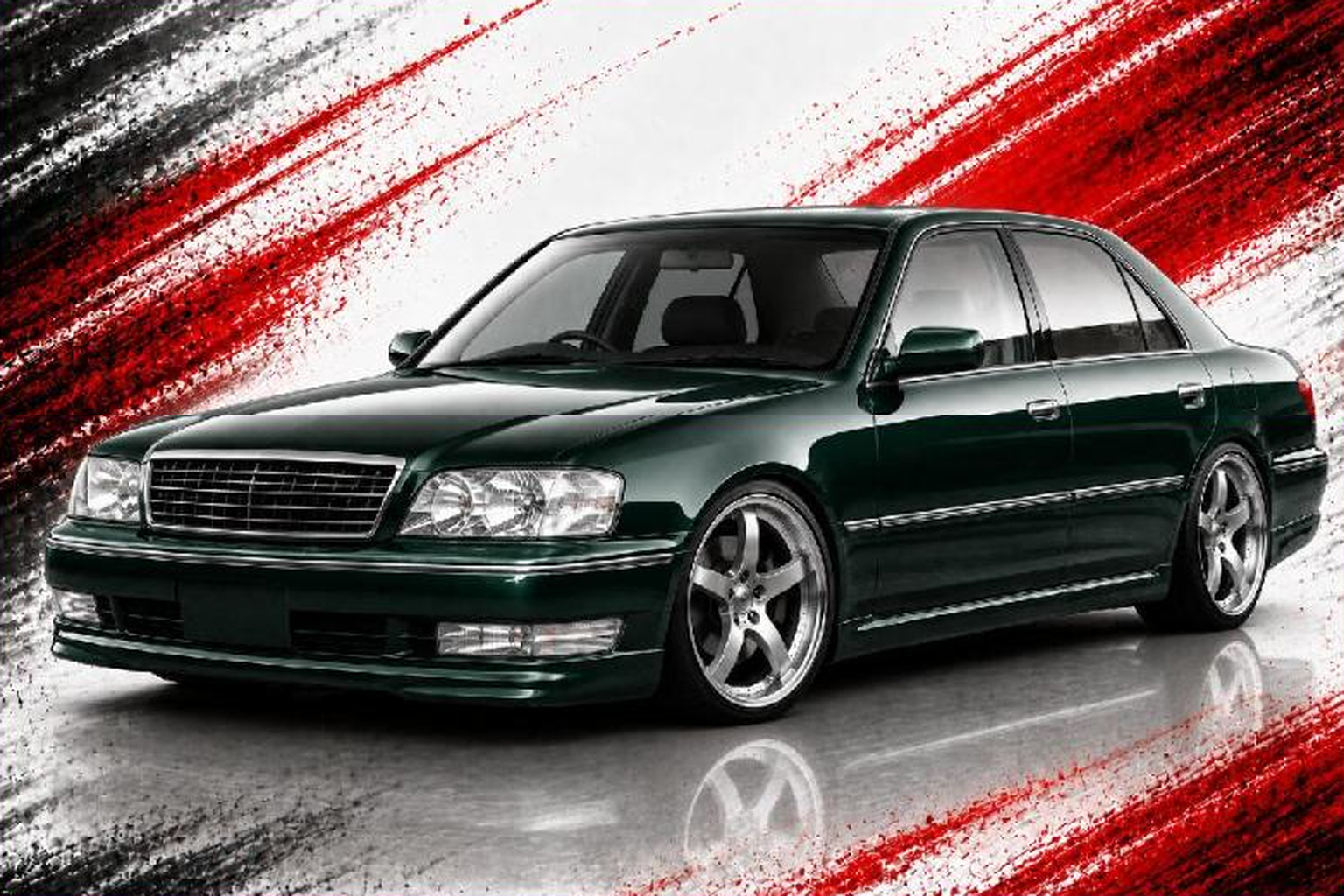
The S150 sedan is 5×114.3 on a 60 mm bore at +50, matching the rest of the Crown family. The wagon sold alongside it is the older S130 body at +23 – twenty-seven millimetres apart. And there is no S150 Athlete V.
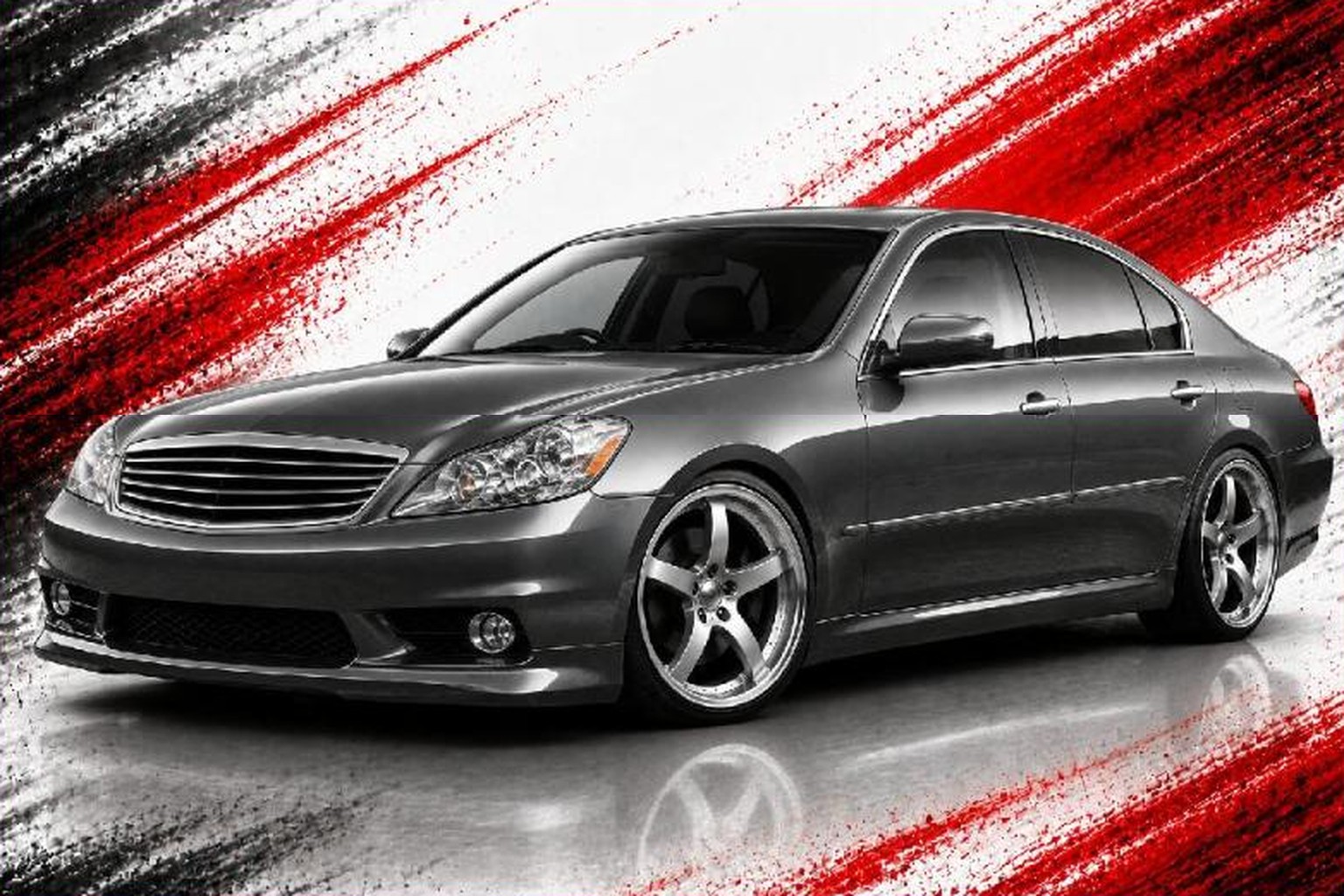
Nissan Fuga Wheel Fitment Guide (Y50 / Y51): The Y51 Bore Is Published and the Y50 Is Not
5×114.3 on both generations, with the Y51 confirmed at a 66 mm bore and the Y50 marked unresearched. Every other FM-platform car we have checked reads 66 mm, which makes it the strong expectation without confirming it.
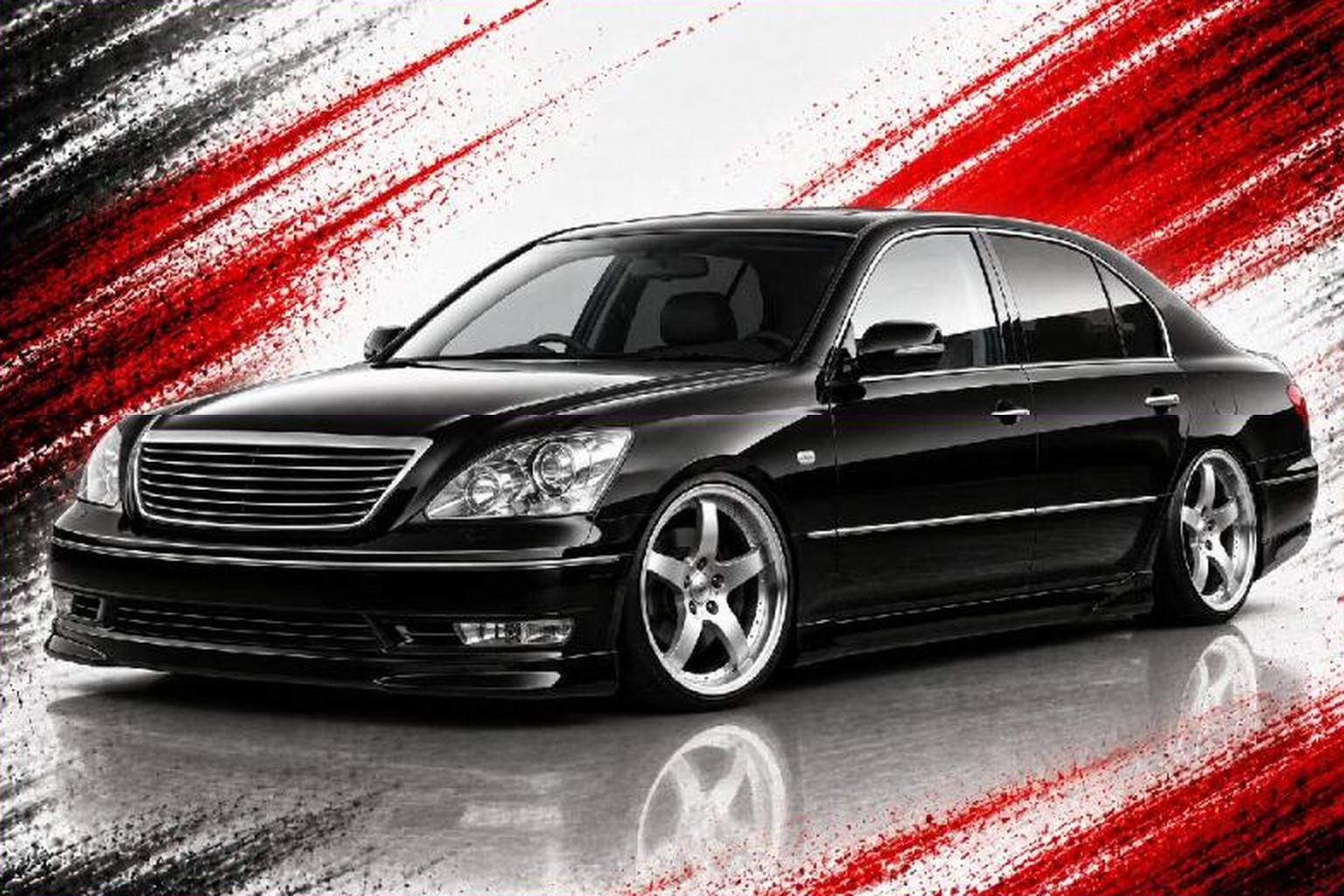
Toyota Celsior UCF30 / UCF31 Wheel Fitment Guide: Three Wheel Sizes, One Offset
5×114.3 on a 60 mm bore at +45, with 16, 17 or 18 inch depending on grade and year. The eR version is the only 18-inch car. And we found no separate air-suspension wheel specification.
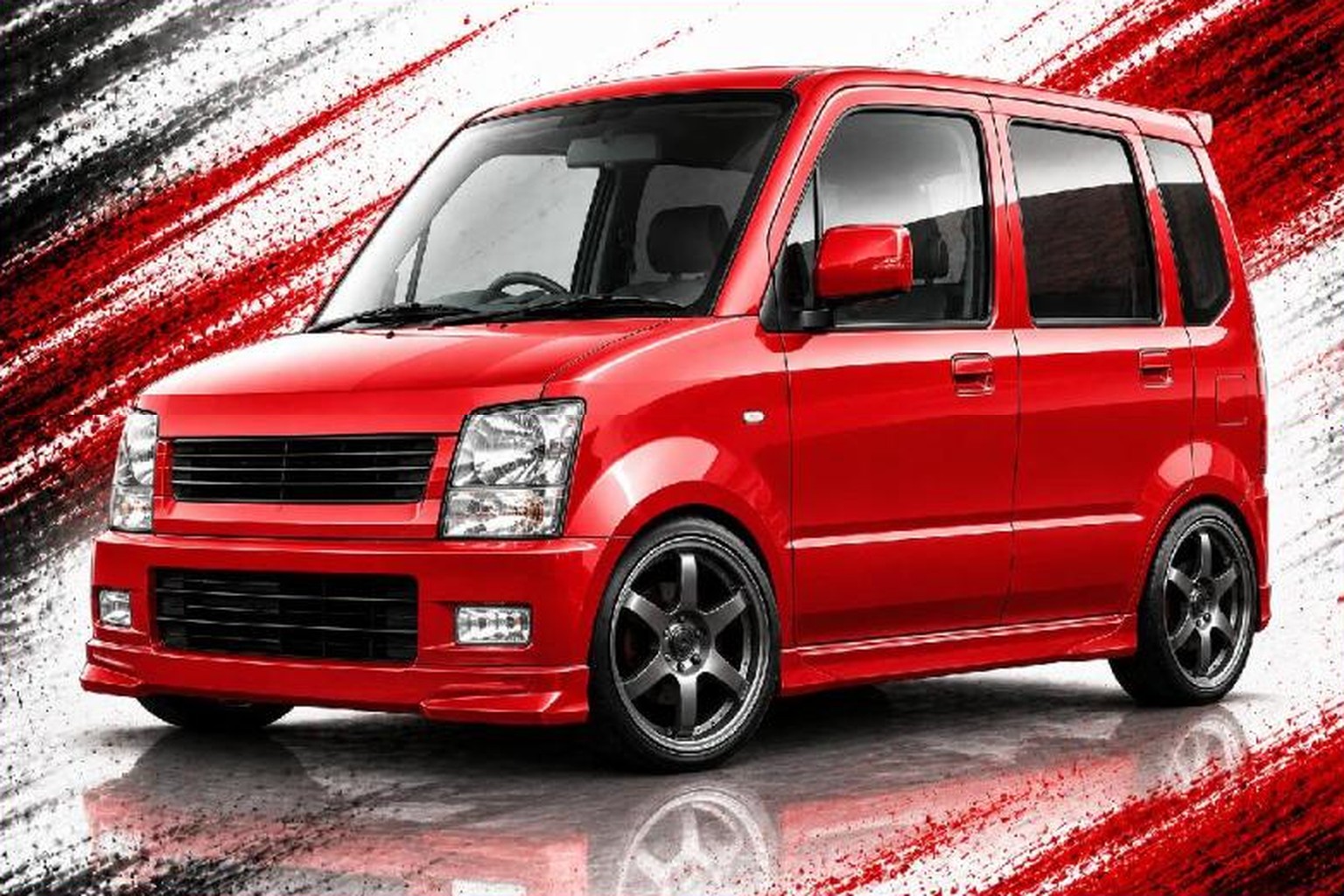
Suzuki Wagon R, Daihatsu Move and Tanto Wheel Fitment Guide: Two Brands, One Hub
Suzuki and Daihatsu both use 4×100 with a 54 mm bore on their modern kei tall wagons, so the wheels cross between brands. Suzuki was already 4×100 in 1993, five years before Daihatsu switched.
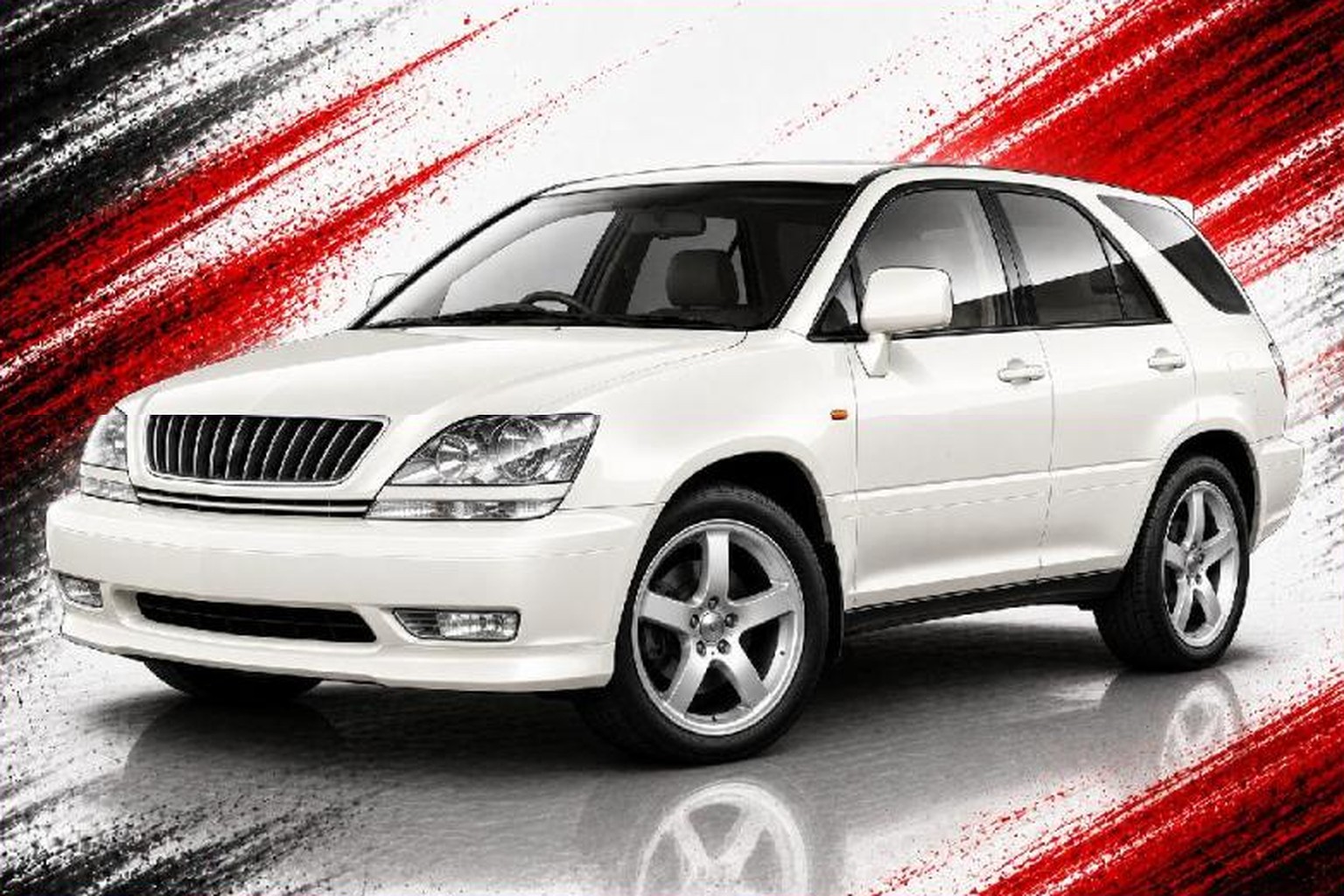
Toyota Harrier Wheel Fitment Guide: Sixteen Years and the Offset Never Moved
5×114.3 on a 60 mm bore at +35, from the 1997 original through the 2006 hybrid. Only the diameter changes with the trim, so upper-grade 18s drop onto a base car and sit exactly where the 16s did.
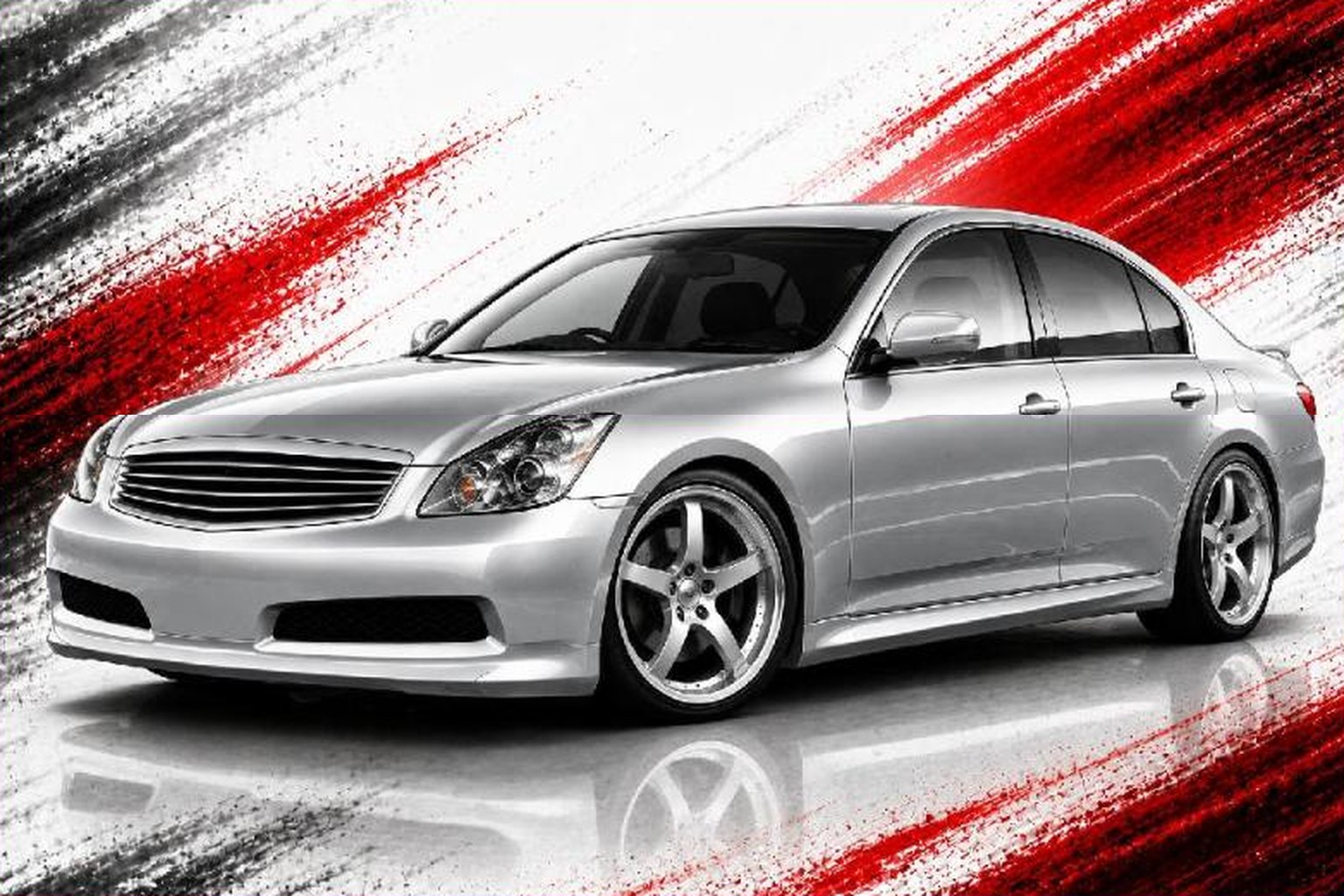
Nissan Skyline V35 / V36 Wheel Fitment Guide: New Engine, New Platform, Same Hub as the R34
The V35 dropped the RB six for the VQ V6 and changed platform, but kept 5×114.3 on a 66 mm bore – the same as the R34. What changed is offset, and the V35 coupe at +30 is the outlier.
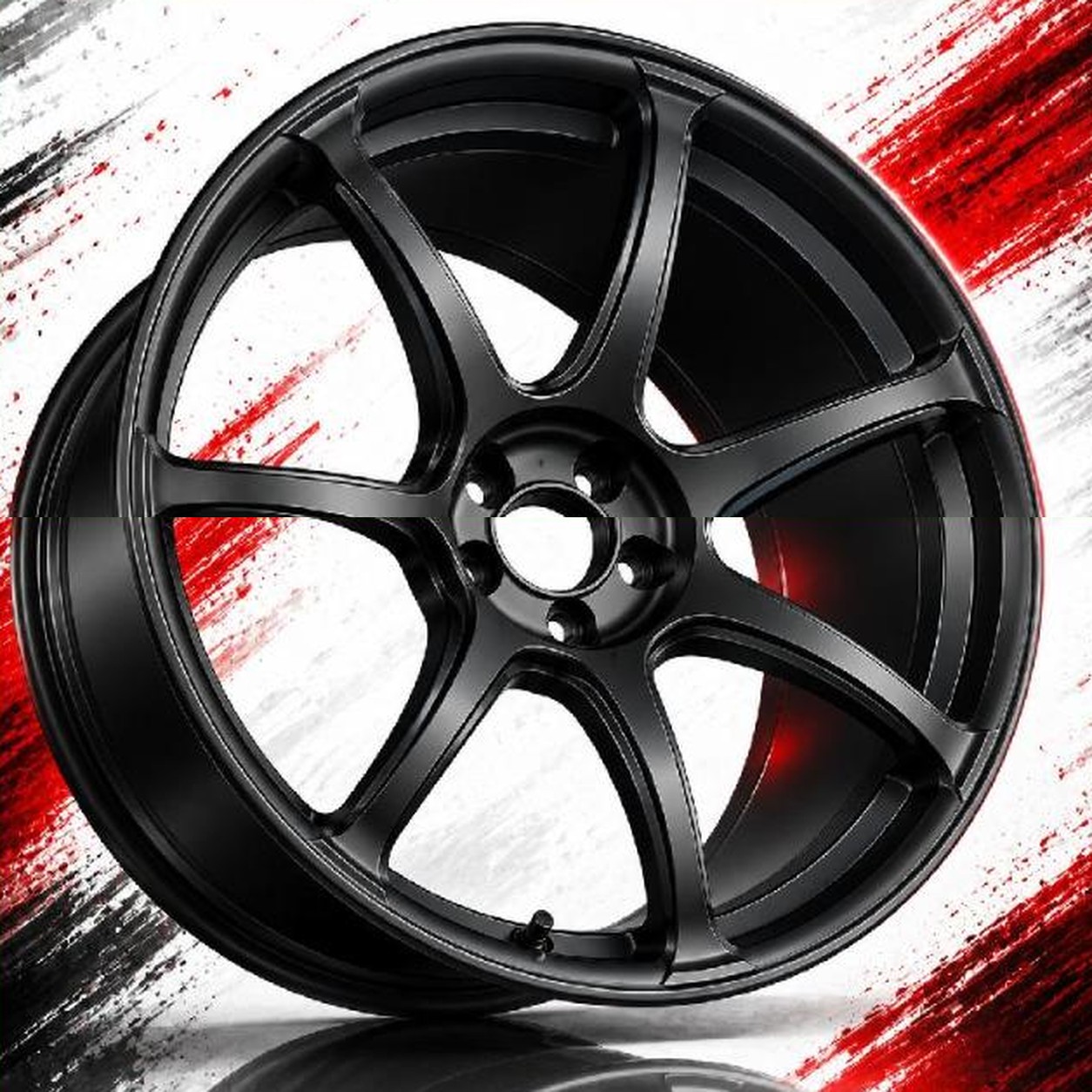
Volk Racing ZE40 vs TE37: The Comparison Nobody Sets Up Correctly
The wheel RAYS sells as plain TE37 today is 13 and 14 inch only. The one you are picturing is a derivative. And the kilogram figure on the spec sheet is a load rating, not a weight – which is why nobody can tell you which is lighter.
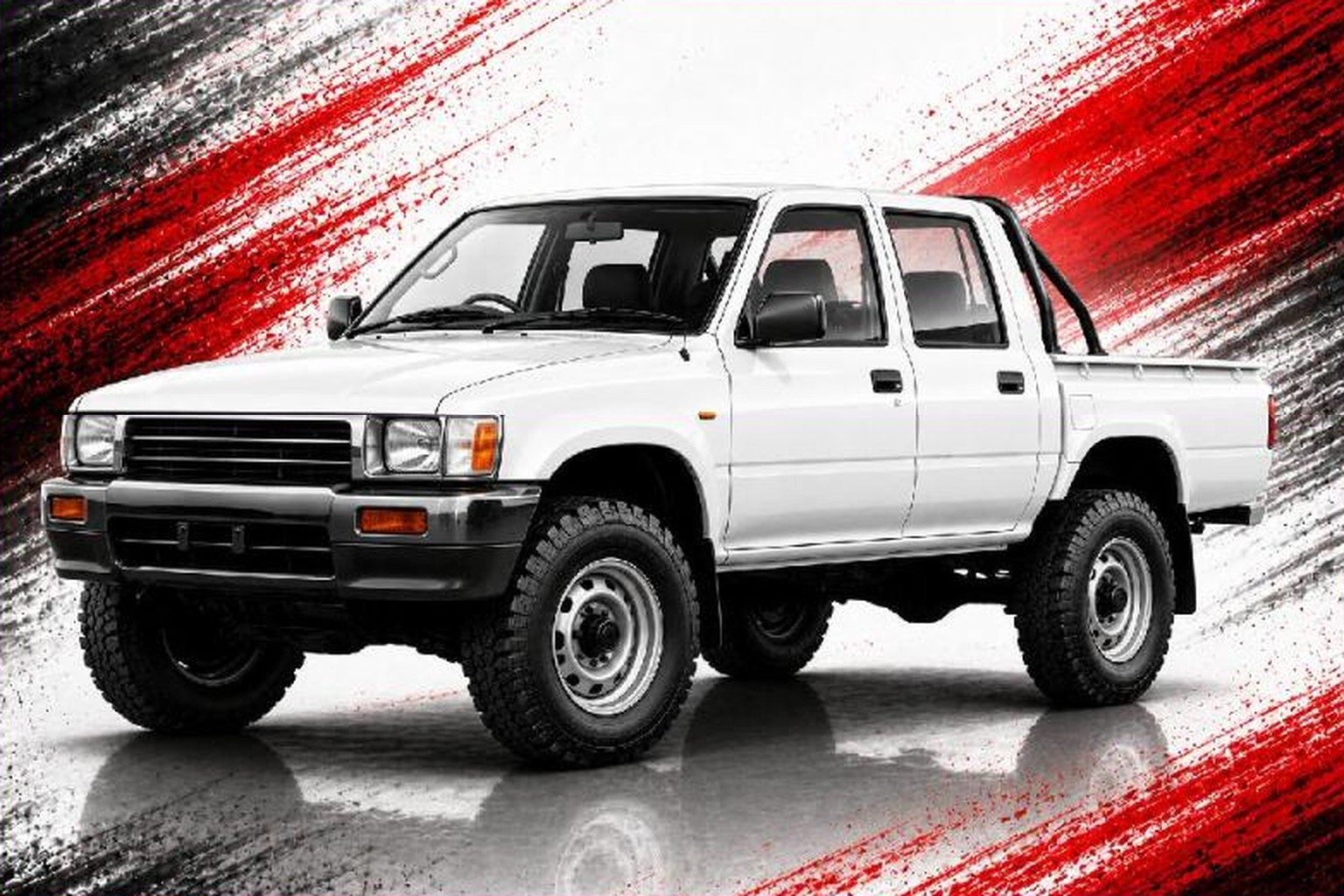
Toyota Hilux Pickup Wheel Fitment Guide: The 2WD and the 4WD Are Not the Same Hub
The 4WD diesel Hilux is 6×139.7 on a 106 mm bore. The 2WD petrol Hilux is 5×114.3. Six studs against five, on the same model name – and the wide-body cabs run +8 where the standard cabs run +29.
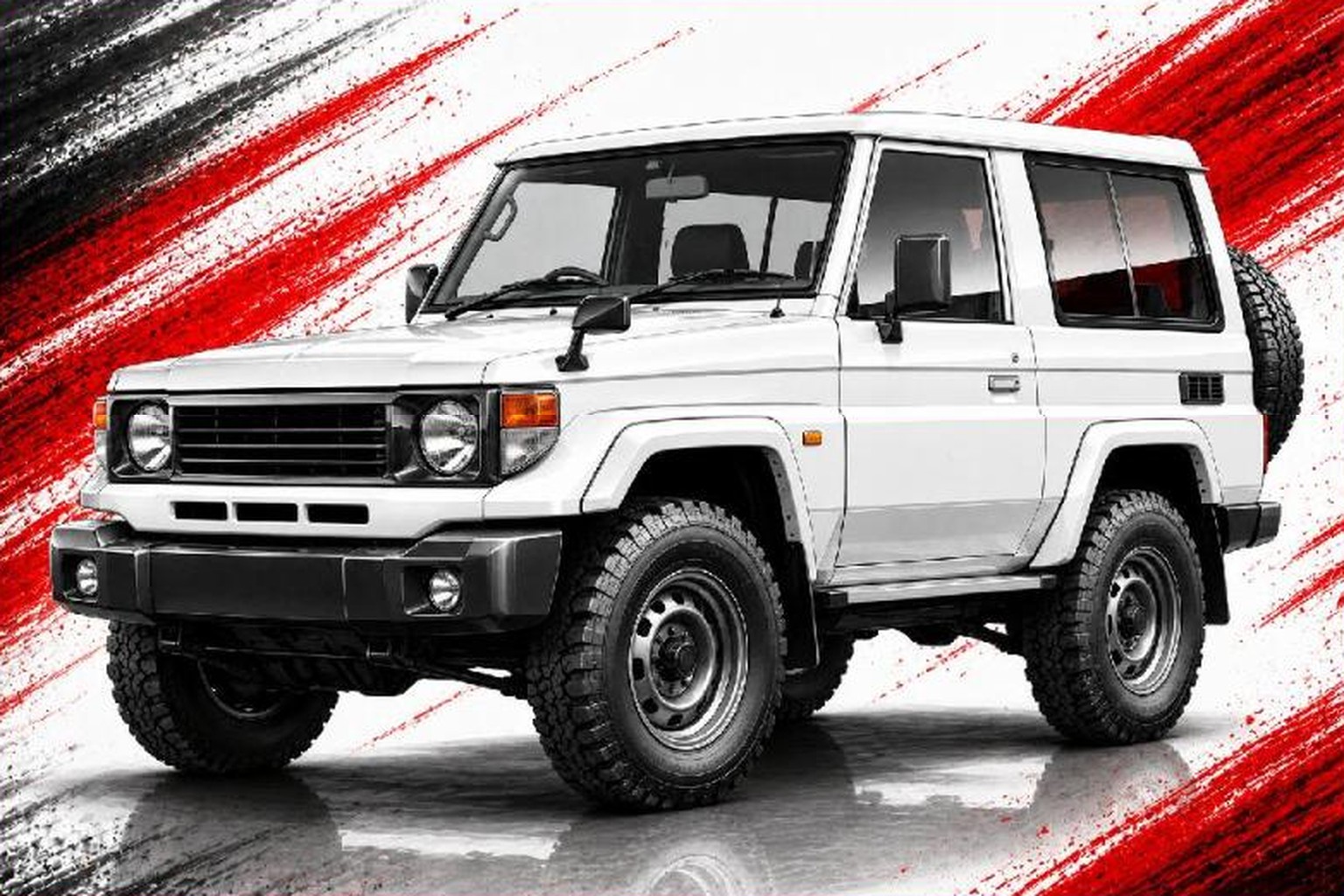
Toyota Land Cruiser 70 Wheel Fitment Guide: 1999 Split This Truck Into Two Hubs
Pre-1999 70-series trucks are 6×139.7 on a 106 mm bore, like the 80 and the Prado. From 1999 – and including the 2014 reissue – they are 5×150 on 110 mm, like the 100. The chassis prefix tells you which.
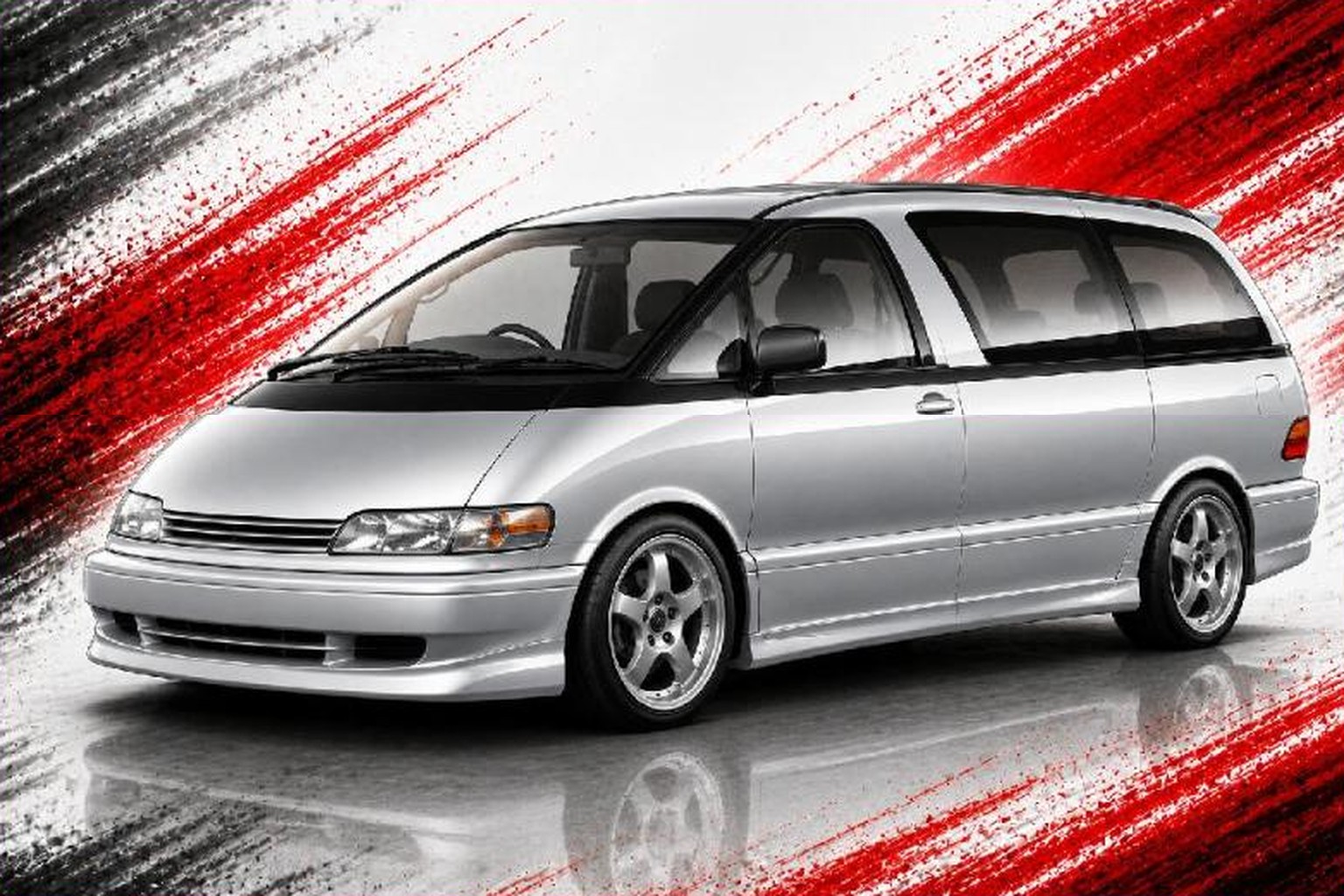
Toyota Estima / Previa Wheel Fitment Guide: Twenty-Nine Years Without a Change
5×114.3 on a 60 mm bore from the 1990 mid-engined TCR to the 2019 ACR50, with the offset sitting at +50 the whole way. The narrow-body Emina and Lucida match. There is no trap in this one.